
Last Updated on January 11, 2026 by Cindy Benezra
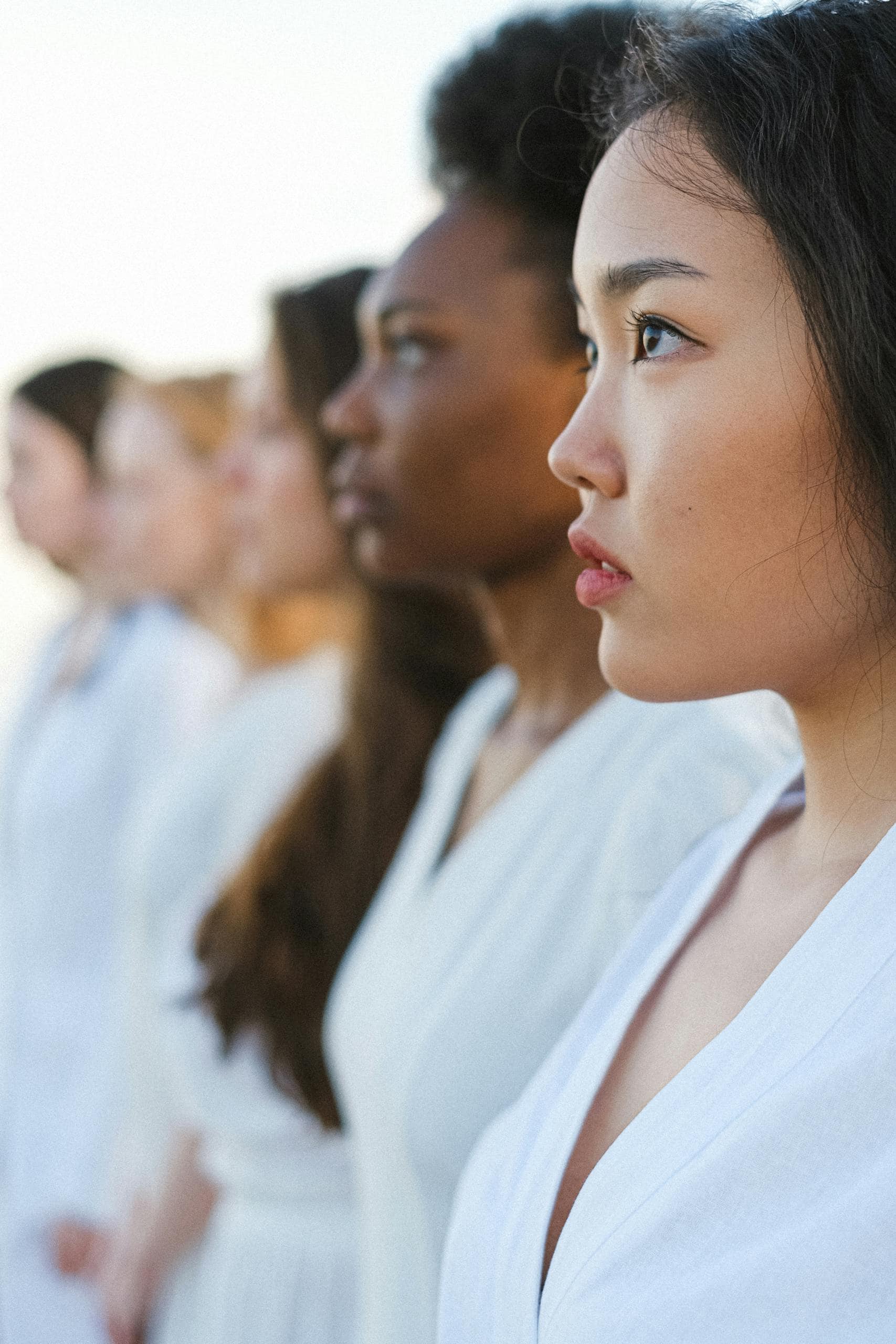
Healing doesn’t sound or look the same for everyone. Whether you’re a young adult, a parent, a first-generation student, or revisiting your past later in life, you deserve access to recovery that honors who you are and where you come from.
In the United States, we often call ourselves a melting pot, a blend of cultures, languages, and histories that have shaped what it means to belong here. Aside from Native Americans, every one of us carries a heritage that began somewhere else. Our ancestors brought traditions, survival skills, and ways of understanding the world that still live within us, even if we don’t always recognize them.
That’s what makes American culture so rich and also what makes healing complex. The dominant model of trauma therapy was largely built on Western perspectives. But the way we process pain, express emotion, or even define healing often comes from our cultural roots. Understanding this helps us approach multicultural trauma healing and trauma recovery with greater compassion and context. Healing, in other words, asks us to remember not only what happened to us, but where we come from.
Why Language, Culture & Identity Matter in Trauma Recovery
When we think of trauma therapy, we often imagine one-on-one talk sessions in a standard format. Yet, for many people, especially bilingual, immigrant, or cross-cultural individuals, the journey of trauma healing requires something broader than this. A space where culture, community, and language are part of the process.
- Trauma recovery does not happen in a cultural vacuum. Research finds that how people express pain, seek help, and heal is influenced by culture and collective history.
- Language is deeply tied to identity. When someone tells their trauma story in their first or heritage language, it can access memories and feelings that a second language may not hold.
- For bilingual/multicultural people, healing often means another layer: bridging between languages, cultures, and expectations.
Emerging evidence suggests that trauma recovery is not just an individual journey: culturally informed and cross-cultural approaches strengthen healing by attending to community, ancestry, and language. For example, systematic reviews show that culturally adapted trauma therapies yield stronger outcomes among marginalized populations (e.g., reduced PTSD/anxiety) compared to unadapted ones. https://pubmed.ncbi.nlm.nih.gov/40013535/
What Multicultural Trauma Healing Looks Like in Practice
Here are ways to bring these ideas into real-life tools that can be used in a therapy session:
1. Reconnect with culture and tradition
Your cultural rituals, music, language, and stories aren’t just background; they can be healing. Incorporating cultural practices into trauma therapy can ground you when the mind and body feel unsteady.
2. Use both your languages for expression
If you speak two languages (or more), experiment:
- Journaling in the language that feels rawest that day.
- Naming your trauma in your first language–the one in which you were first wounded–can reconnect you to the emotional layers of the experience.
- Using your second language to describe patterns, behaviors, and external change (sometimes the second language gives a safe distance).
3. Seek support that understands your context
If you can access therapy, look for therapists who speak your language or understand your cultural background. If therapy isn’t currently possible, seek online communities, bilingual peer groups, or culturally specific resources.
4. Honor collective and relational healing
Especially for immigrants, BIPOC, LGBTQ+ folks, or first-generation students: trauma often spans generations, cultures, and systems of discrimination. Recovery isn’t only about you; it’s about your family, lineage, and community. When you recognize that, you begin to move from isolated survivor to healing in connection with others.
5. Blend modern therapy with ancestral wisdom
Trauma therapy tools (like breathwork, nervous-system regulation, CBT, or EMDR) can merge with ancestral, cultural, or communal practices. The focus shouldn’t be either/or, rather both/and.
Practical Tools for the Journey (Especially If Therapy Isn’t Yet Affordable)
If you don’t have easy access to formal therapy, that’s okay. Here are accessible steps you can start today:
- Grounding exercise (every day): 5 breathing cycles: inhale for 4, hold 2, exhale 6; then note 5 things you see, 4 you hear, 3 you feel, 2 you smell, 1 you taste.
- Journaling prompt: In your first language, ask: “What language did I learn pain in? What words couldn’t I say then? What can I say now?”
- Community check-in: Find or start a small peer group (online or offline) where you can share in whichever language you’re comfortable.
- Cultural reconnection: Once or twice a week, engage with something from your cultural background, such as a song, a recipe, or an elder’s story, and reflect on how it makes you feel in your body.
- Self-compassion practice: When a trigger hits, say to yourself, “I’m healing. This part of me needed to be heard.” If possible, say it in your heritage language.
The Hope in Healing Across Cultures & Languages
When trauma is unspoken, especially across cultural or language lines, it often hides, gets passed down, or shows up in unexpected ways. By engaging in multicultural trauma healing and cross-cultural trauma recovery, you heal yourself and release something that benefits entire communities.
Whether you speak English, Spanish, or two (or more) languages, your healing and story matter, and your culture and language can be a foundational piece of your healing.
Conclusion
Healing is not confined to one language or one culture. Trauma therapy can and should evolve to match the rich, complex lives that people lead today. In your bilingual, multicultural context, there is a path forward that honors your languages, your lineage, and your lived experience. Every language you speak holds space for healing.
